
Ready to talk about insurance roof replacement?
- Independent local roofing providers in the Longmont area
- Built for new roofs
- Written quotes, no obligation
- Clear referral model
No obligation
A lot of people think visible storm damage settles a roof claim. In practice, the insurer decides coverage and scope, and a full roof replacement depends on the policy and its findings.
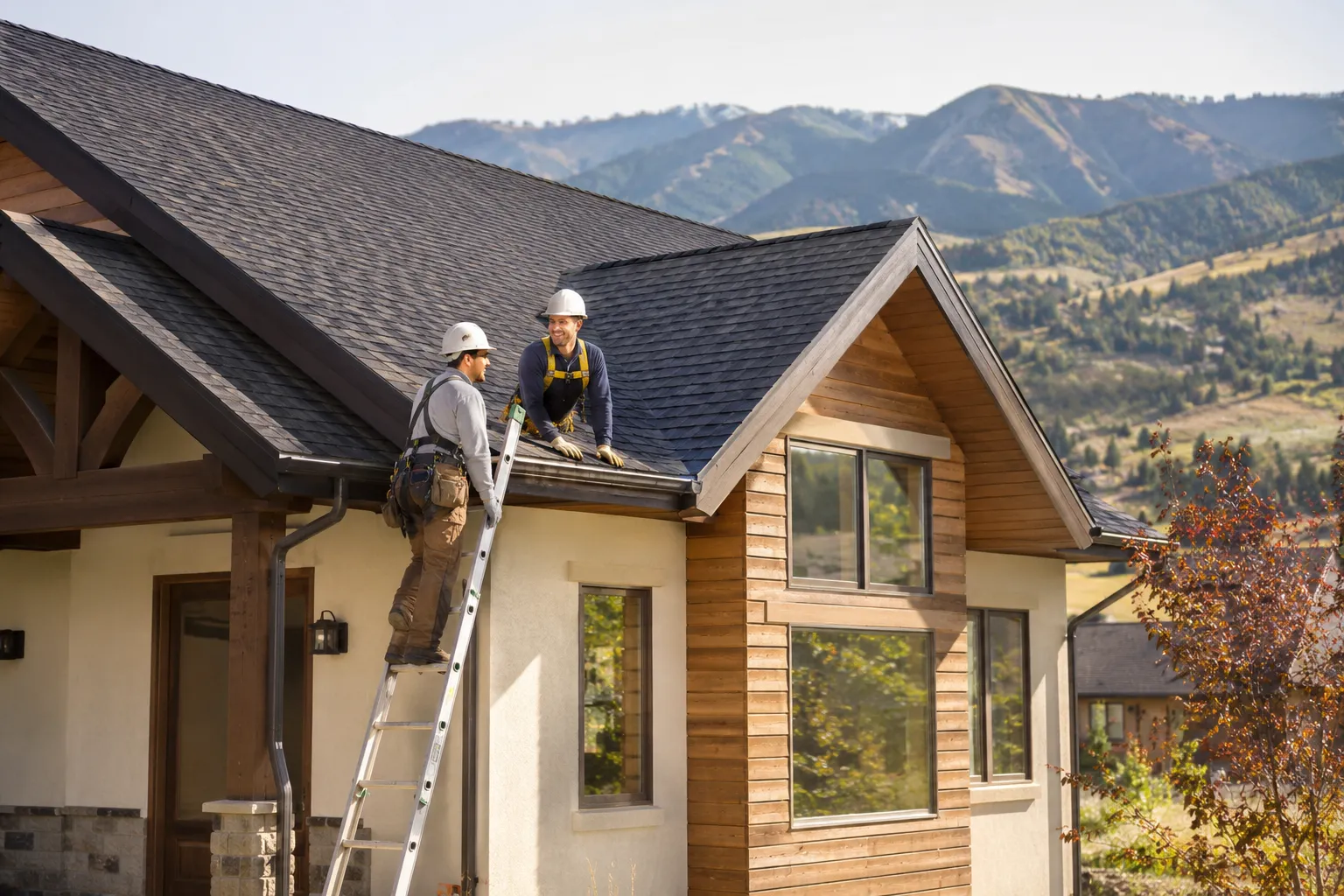
A lot of people think a hailstorm automatically qualifies a roof for full replacement coverage. In practice, the insurer decides coverage after reviewing the policy, the reported loss, and the available evidence. A full replacement is one possible outcome of that review.
Record when you noticed the damage and what you observed. Save photos taken safely from the ground, relevant messages, and any records of the roof's previous condition. Avoid climbing onto a damaged roof. Ask your insurer about reporting deadlines and the steps it expects you to follow.
This page covers claims involving full roof replacement. Longmont Roof Replacement is a referral service that connects homeowners with independent local providers by phone. It does no roofing work and has no staff in the field. Providers handle their own evaluations, proposals, and installation agreements.
The insurer may arrange an adjuster visit to assess the reported loss. Ask how the appointment works, who needs to be present, and what records would help. Keep a note of the claim contact and the questions you want answered.
An independent roofing provider may be able to walk the roof with the adjuster, subject to access, safety, scheduling, and the insurer's process. The provider can point out observed conditions and explain the proposed replacement work. The adjuster evaluates the loss for the insurer.
The provider's opinion and the insurer's decision serve different roles. Ask for written explanations when their scopes differ. A provider can document conditions and provide a replacement estimate, while coverage questions should go to the insurer. The insurer decides coverage for a full replacement after reviewing the policy and claim evidence.
The scope of loss describes the work and costs the insurer has recognized in its estimate. Review it alongside the provider's written full replacement proposal. Differences may involve measurements, materials, removal, disposal, underlayment, flashing, ventilation, or required project steps.
A difference does not settle who pays it. Ask the provider to identify the specific item and explain why it belongs in the replacement scope. Ask the insurer what documentation it needs to consider that item. Keep copies of updated estimates and written responses.
Useful questions include:
Avoid treating a verbal statement as the final written claim decision.
Your deductible is the amount you are responsible for under the policy's claim terms. Ask the insurer how it applies to this loss. Review the provider's payment schedule so you understand when your payments are due.
Depreciation reflects the insurer's calculation of reduced value under the policy. Some policies allow certain depreciation amounts to be recovered after qualifying work is completed and required evidence is provided. Other policy terms may limit payment. Ask the insurer which terms apply and what deadlines or documents are required.
Code requirements can also affect a replacement scope. The provider should identify applicable requirements, while the insurer decides whether related costs qualify under your coverage. Ask about any ordinance or law coverage in your policy. Keep permit details, approved scope changes, and completion records together so you can find them during the claim process.
Claim review, scope questions, material delivery, permits, and weather can all affect the timeline. Ask the insurer about pending decisions and ask the provider about scheduling. Dry air and strong sun do not remove the need to plan around snow, wind, or wet roof surfaces.
Before signing, review the full replacement agreement and understand your payment obligations if claim funds differ from the project price. Verify the independent provider's license and insurance yourself. Ask who will document completion and which records you will receive.
Call (720) 804-1527 to reach an independent local provider about a full roof replacement after storm or hail damage. Calls through Longmont Roof Replacement are routed to an independent provider, who discusses the project and next steps. You choose whether to hire that business. Your insurer decides coverage, approved claim amounts, and payment conditions under your policy.
The insurer decides based on the policy, the reported loss, and its findings. Visible damage alone does not establish coverage for a full replacement.
An independent provider may be able to attend and walk the roof with the adjuster when access, safety, and scheduling allow. The provider can explain observed conditions and its proposed scope, while the insurer makes the coverage decision.
Some policies allow an eligible depreciation amount to be paid after qualifying work is completed and the required evidence is provided. Ask your insurer which conditions, limits, and deadlines apply to your claim.
Longmont Roof Replacement connects homeowners with independent local providers by phone. It does no roofing work and makes no coverage decisions. Discuss policy and claim payment questions directly with your insurer.
Call to discuss a roof replacement estimate, or email support@roofreplacementlongmont.com. A provider from our network will talk through your roof.
No obligationTalk to a local provider
A short call connects you with an independent local provider who can answer questions and set up an estimate visit.
Talk to a provider (720) 804-1527
No obligation